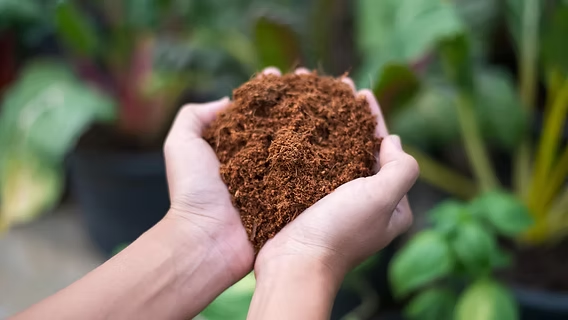
Coco Peat Soil for Modern Gardening and Growing Solutions
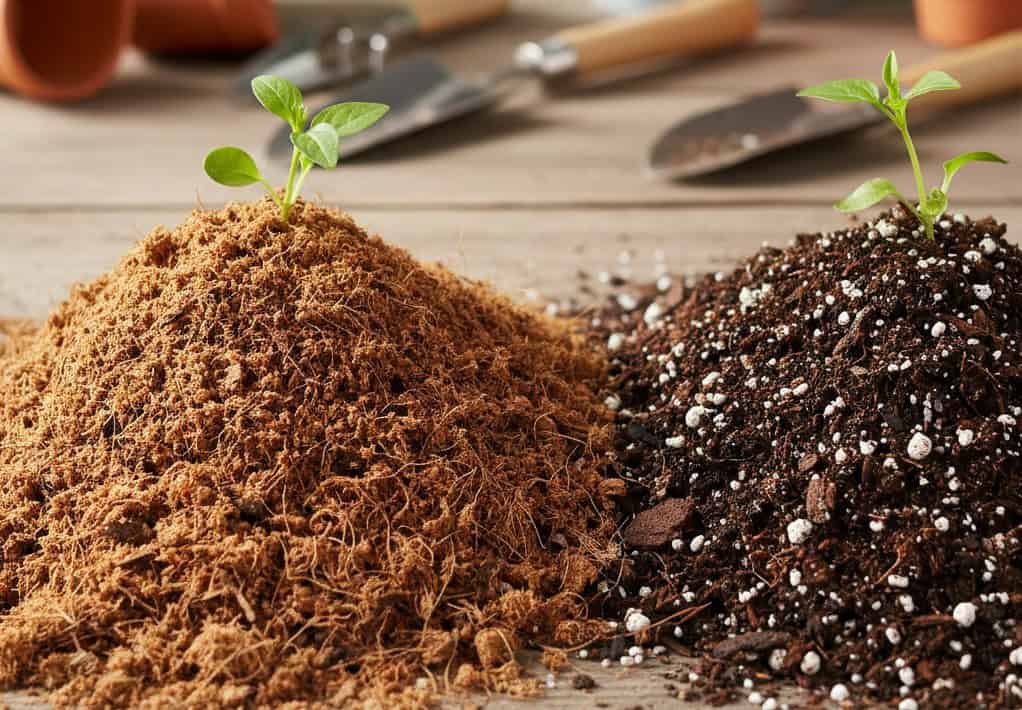
Modern gardening continues to explore practical and sustainable growing materials that can support healthy plants while making cultivation easier. Among the natural materials available today, coco peat has become widely used for gardening, horticulture, nurseries, and commercial cultivation. Made from coconut husk, this versatile material can provide a useful growing environment for different types of plants.
For growers who are exploring alternatives to conventional growing media, understanding how coco peat soil works can help them choose the right material for their specific cultivation needs. Coco peat is lightweight, naturally derived, and capable of retaining moisture, making it a practical option for both small-scale gardening and larger agricultural applications.
What Is Coco Peat?
Coco peat is a fine, natural material obtained from processed coconut husks. During coconut fiber production, the husk is separated into different components. The finer particles can then be processed into coco peat for use as a growing medium.
Because it comes from coconut husks, coco peat makes productive use of a renewable agricultural material. Instead of leaving coconut husks unused after processing, manufacturers can transform them into useful horticultural products.
Its soft texture and moisture-retention properties make coco peat suitable for containers, nurseries, seed propagation, and other growing applications. Depending on how it is processed and prepared, it can be used on its own or combined with other growing materials.
Benefits of Coco Peat for Plants
One of the main characteristics of coco peat is its ability to retain moisture. This can help provide plants with a consistent source of water between watering sessions. At the same time, the material has a porous structure that can allow air to circulate around plant roots.
Good moisture management and root aeration are important considerations when selecting a growing medium. A material that holds excessive water without sufficient air spaces can create unfavorable conditions for roots, while a medium that dries too quickly may require frequent watering.
Coco peat offers a balance that can make it useful for many gardening situations. However, the appropriate preparation, irrigation, drainage, and fertilization practices will depend on the plant species and growing environment.
Coco Peat Soil for Different Growing Applications
Coco peat can be used in a variety of cultivation systems. Home gardeners may use it for potted plants, seedlings, herbs, vegetables, and ornamental plants. Commercial growers can also incorporate coco peat into nursery and greenhouse production.
Seed propagation is another common application. The fine texture of coco peat can provide a suitable environment for young roots as seedlings begin to develop. Once plants become established, growers can move them into larger containers or other cultivation systems according to their requirements.
Coco peat can also be mixed with other growing media. Combining different materials allows growers to adjust characteristics such as drainage, aeration, moisture retention, and structure.
Coco Fiber and Coco Peat
Coco fiber and coco peat come from the same basic raw material, but they serve different purposes. Coco fiber consists of longer, stronger fibers extracted from coconut husks, while coco peat is made primarily from the finer particles.
Coco fiber can be used for applications where strength and structure are important. It is commonly associated with horticultural products, mats, erosion-control materials, and other natural fiber applications.
To learn more about coconut fiber products and their applications, visit the coco fiber product page.
Understanding the difference between these materials helps buyers select the right coconut-based product for their intended application.
Choosing a Supplier Cocopeat Indonesia
For businesses, nurseries, distributors, and commercial growers, finding a reliable supplier cocopeat indonesia can be an important part of establishing a consistent supply of growing media.
Product quality can vary depending on factors such as raw material selection, processing methods, moisture content, particle size, compression, packaging, and storage conditions. Buyers should therefore consider the specifications required for their particular application before placing an order.
A suitable supplier should also be able to provide clear product information and packaging options that match the needs of the buyer. For commercial applications, consistency can be especially important because growers may need the same characteristics across multiple cultivation cycles.
Cocopeat Grow Bags for Convenient Cultivation
Grow bags are another practical way to use coconut-based growing media. Instead of filling traditional pots or garden beds, growers can use prepared bags designed to hold growing media and support plant cultivation.
Cocopeat grow bags can be useful for greenhouse production, nurseries, commercial farming, and certain home gardening applications. Their portable format can make it easier to organize plants and manage cultivation areas.
Grow bags are available in different dimensions and configurations depending on the intended crop and growing system. Before choosing a product, growers should consider the size of the plant, root development, drainage requirements, irrigation method, and available growing space.
More information about available grow bag solutions can be found on the cocopeat grow bag page.
Why Coconut-Based Growing Materials Matter
The use of coconut-derived growing materials represents an opportunity to make better use of agricultural resources. Coconut processing produces husks that can be transformed into fiber, coco peat, and other useful products.
This approach can reduce the amount of material treated simply as agricultural residue while creating additional value from coconut production. For growers, it also provides access to naturally derived materials that can be adapted to different cultivation systems.
As interest in efficient and responsible gardening continues to grow, coconut-based products can play a role in modern horticulture. Their versatility makes them relevant for home gardeners as well as commercial producers.
Selecting the Right Cocopeat Product
When purchasing coco peat or related products, buyers should consider how the material will be used. Different crops and cultivation systems may require different physical characteristics.
Important considerations can include particle structure, moisture level, expansion capacity, packaging format, and compatibility with the chosen irrigation and fertilization system. Growers should also follow appropriate preparation and cultivation practices to achieve the desired results.
Whether used as a growing medium, incorporated into a soil mixture, or supplied in a grow bag format, coco peat can offer a flexible solution for many cultivation environments.
Contact Our Team
For more information about coco peat, coco fiber, grow bags, and other coconut-based growing solutions, please contact our team:
Visi Arlion International PVT LTD
WhatsApp: (+62)812 1233 3590 (Ms. Maria)
Email: [email protected]