Creating Comfortable Outdoor Spaces with Modern Shade Sail Solutions
The Growing Popularity of Outdoor Shade Structures
Outdoor spaces have become increasingly important in residential, commercial, and recreational environments. Patios, gardens, swimming pool areas, restaurants, and public spaces are now designed to provide comfortable places for people to relax and enjoy outdoor activities. However, direct sunlight and excessive heat can make these areas less enjoyable, especially in regions with warm climates.
One practical solution is the use of shade structures that provide protection from direct sunlight while maintaining an attractive outdoor appearance. Among the available options, shade sails have become popular because of their modern designs, flexible configurations, and functional benefits.
Unlike traditional fixed roofing structures, shade sails can be installed in different shapes and sizes to accommodate various outdoor layouts. They are available in different fabrics, colors, and designs, allowing property owners to create customized outdoor environments that match their architectural preferences.
What Is a Sun Shade Sail?
A sun shade sail is an outdoor fabric structure designed to provide shade by blocking a portion of direct sunlight. It is typically manufactured using durable outdoor fabrics that are attached to support points such as poles, walls, or existing structures.
The design is inspired by the appearance of a sailing boat’s sail, creating a distinctive stretched-fabric shape. Depending on the installation area, shade sails can feature triangular, rectangular, or square configurations.
One of their main advantages is design flexibility. Multiple sails can be combined to cover larger outdoor areas or create decorative patterns. This makes them suitable for residential gardens, playgrounds, cafes, restaurants, swimming pools, and commercial outdoor spaces.
Modern shade sails are manufactured using materials designed for outdoor conditions. Some fabrics are specifically developed to provide UV protection, reduce heat exposure, and allow airflow. The appropriate material depends on the intended application and local weather conditions.
Benefits of Installing Outdoor Shade Sails
Shade sails offer several advantages that make them an attractive option for improving outdoor environments.
One important benefit is sun protection. Quality shade fabrics can reduce direct UV exposure in covered areas, helping create more comfortable spaces for outdoor activities. The actual level of protection depends on the fabric type, color, construction, and installation design.
Another advantage is improved outdoor comfort. By reducing direct sunlight, shade sails can help make patios, gardens, and seating areas more enjoyable during sunny weather.
Their modern appearance is also an important consideration. Available in different colors and shapes, shade sails can complement contemporary architecture and landscaping designs. Property owners can choose simple arrangements or combine several structures to create a more distinctive visual effect.
Shade sails can also be a flexible alternative to permanent roofing. Their installation generally requires fewer structural elements than conventional solid roofs, although suitable support systems and professional planning remain essential.
Choosing the Right Fabric and Design
Selecting the appropriate fabric is one of the most important decisions when purchasing a shade sail. Different materials offer different levels of sun protection, ventilation, durability, and resistance to outdoor conditions.
High-density polyethylene, commonly known as HDPE, is a popular option for outdoor shade applications. Its knitted structure allows airflow while providing shade from direct sunlight. This can be particularly useful in gardens, playgrounds, and recreational areas.
Other outdoor fabrics may provide different levels of water resistance. Buyers should understand whether they need a breathable shade structure or a waterproof design because these options have different requirements.
Color selection also influences the overall appearance of the installation. Neutral colors such as beige, gray, and cream can complement many architectural styles, while darker or brighter shades can create stronger visual contrasts.
The shape and dimensions should be selected according to the available space. Proper measurements help determine the number of sails required and the most suitable arrangement for the area.
Understanding the Importance of Professional Sun Shade Installation
Proper sun shade instalation is essential for achieving a functional, attractive, and reliable outdoor shading structure. Even high-quality fabric may not perform as expected if the supporting points, dimensions, and tensioning arrangements are poorly planned.
The first consideration is the installation location. The available space, surrounding structures, sunlight direction, and potential obstacles should be evaluated before selecting the final design.
Support points must also be suitable for the expected structural loads. Depending on the project, these may include engineered posts, reinforced walls, or other properly designed mounting systems.
Correct tension is another important factor. A properly designed shade sail should maintain an appropriate shape without excessive fabric movement. Its configuration should also account for wind exposure and local weather conditions.
Drainage considerations are particularly important for waterproof designs. The structure should be planned to avoid unwanted water accumulation during rainfall.
For larger installations or areas exposed to strong winds, professional assessment is recommended to ensure that the supporting structure and installation design are appropriate for the site.
Popular Applications for Shade Sails
Shade sails are suitable for many residential and commercial environments because they can be adapted to different outdoor layouts.
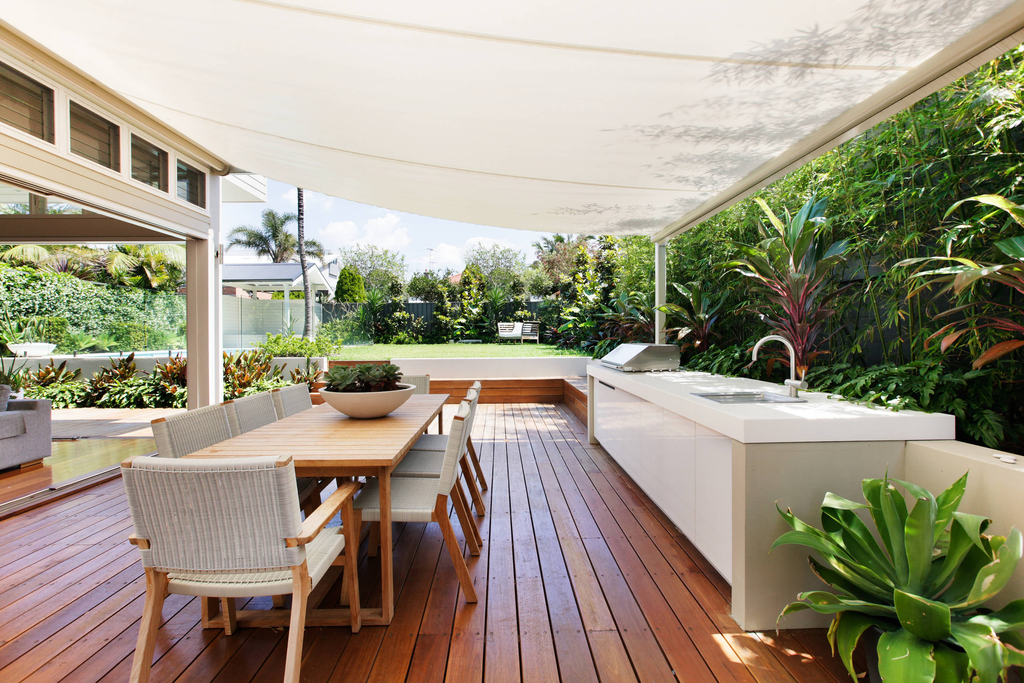
In residential properties, they are commonly installed over patios, gardens, terraces, and swimming pool areas. These structures can create comfortable shaded spaces for relaxation, family activities, and outdoor gatherings.
Restaurants and cafes also use shade sails to improve outdoor dining areas. A well-designed shading structure can make seating areas more attractive and comfortable for customers during sunny periods.
Schools and playgrounds are other common applications. Shade structures can provide covered areas for students and visitors, although the design should consider appropriate coverage, secure supports, and local safety requirements.
Commercial properties may install shade sails in parking areas, outdoor waiting spaces, and recreational facilities. Their flexible configurations make them suitable for projects with different dimensions and architectural styles.
Maintenance Tips for Long-Lasting Performance
Regular maintenance helps preserve the appearance and functionality of outdoor shade sails. Although many products are manufactured for outdoor use, exposure to sunlight, wind, rain, and dust can gradually affect their condition.
Cleaning should be performed according to the manufacturer’s recommendations. In many cases, gentle washing with water and an appropriate mild cleaning solution is sufficient to remove accumulated dirt.
Property owners should also inspect the fabric periodically for signs of wear, loose connections, or damaged components. Support structures and attachment points should be checked to ensure that they remain in suitable condition.
After severe weather, an additional inspection can help identify potential problems. If the structure shows signs of damage or unusual movement, it should be assessed by a qualified professional before continued use.
Following the manufacturer’s maintenance instructions and considering local weather conditions can help extend the useful life of the installation.
Factors to Consider Before Purchasing a Shade Sail
Before purchasing a shade sail, property owners should identify the primary purpose of the structure. Some projects focus on reducing direct sunlight, while others require additional weather protection or a decorative architectural feature.
The size of the installation area is another important factor. Accurate measurements help determine the required fabric dimensions and suitable support locations.
Buyers should also compare fabric specifications, UV protection ratings, material durability, and available color options. These details can help identify products that match the environmental conditions and intended application.
Budget planning should include more than the fabric itself. Supporting posts, mounting hardware, professional installation, and future maintenance may also contribute to the overall project cost.
Working with an experienced supplier can make the selection process easier by providing product information and recommendations based on the intended outdoor application.
Transforming Outdoor Spaces with Modern Shade Solutions
Shade sails offer a practical combination of functionality and contemporary design. Their flexible shapes, different fabric options, and adaptable configurations make them suitable for residential properties, commercial buildings, recreational facilities, and public spaces.
However, achieving a successful result requires attention to material selection, accurate measurements, structural support, and proper installation. Considering these factors from the beginning can help property owners create outdoor spaces that are comfortable, attractive, and appropriate for their local conditions.
As interest in outdoor living and modern landscaping continues to grow, shade sails remain an appealing option for improving the usability of outdoor environments.
Contact Information
Visi Arlion International PVT LTD
WhatsApp: (+62) 812 1233 3590 (Ms. Maria)
Email: [email protected]
Correct the keyword spelling consistentlyAdd a stronger closing call to action