Creating Safer and More Comfortable Play Areas with Modern Rubber Flooring
The Growing Importance of Safe Playground Surfaces
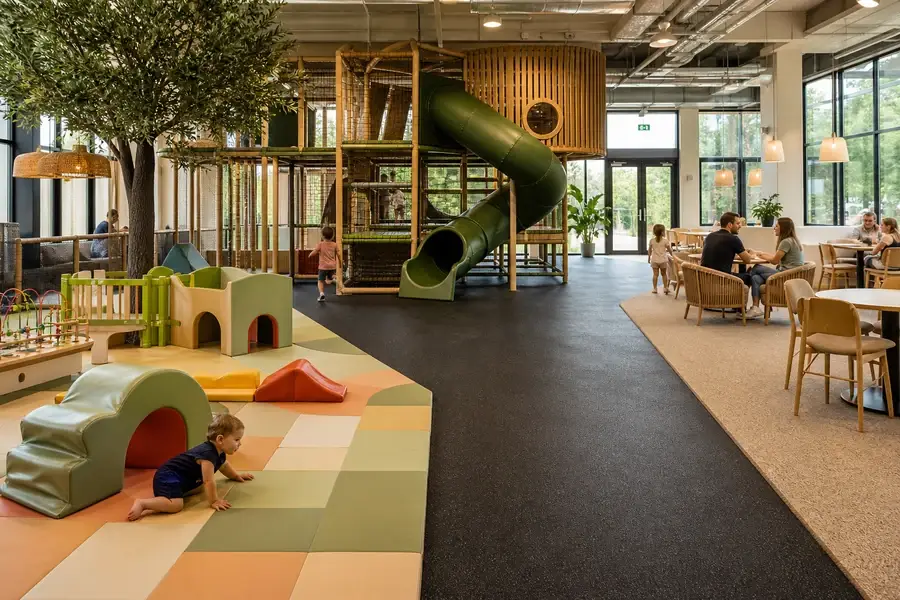
Playgrounds are important spaces where children can enjoy physical activities, develop coordination, and interact with others. Whether located in schools, parks, residential communities, or recreational facilities, these environments need suitable surfaces that support comfort and safety.
Traditional playground surfaces such as concrete and hard paving can be uncomfortable for active play. For this reason, many playground developers and property owners are exploring alternative flooring materials designed specifically for recreational environments.
Rubber flooring has become a popular option because of its flexibility, durability, and ability to provide a more cushioned surface. It is available in different colors, thicknesses, and designs, making it suitable for various playground layouts.
Among the available options, wet pour rubber flooring is particularly interesting for projects that require a seamless surface with customizable designs. Understanding its materials, installation requirements, and maintenance needs can help project owners make better decisions.
Understanding Wet Pour Rubber Flooring
Wet pour rubber granules flooring is a seamless surfacing system created by combining rubber granules with a suitable polyurethane binder. The mixture is applied to a prepared surface and finished to create a continuous rubber layer.
This flooring system is commonly used in playgrounds, outdoor recreational areas, schools, and selected sports facilities. Its flexible composition provides a cushioned surface that can improve comfort during everyday activities.
One of its main advantages is design flexibility. Different rubber colors can be combined to create patterns, decorative shapes, educational designs, and customized playground layouts. This allows designers to develop attractive environments that complement the surrounding facilities.
Another benefit is the absence of traditional tile joints across the finished surface. A properly installed system creates a continuous layer that can make routine cleaning more convenient.
The finished performance depends on several factors, including rubber quality, binder selection, installation thickness, substrate preparation, and professional workmanship.
Key Benefits of Wet Pour Rubber Surfaces
Wet pour rubber surfaces offer several characteristics that make them suitable for recreational environments.
One important advantage is cushioning. The flexible rubber composition provides a softer surface compared with conventional hard paving materials. When properly designed and installed, the system can help reduce the severity of certain impacts.
The flooring is also available in multiple colors. This gives playground designers the opportunity to create visually engaging spaces with separate activity zones, decorative patterns, and colorful pathways.
Weather resistance is another consideration. Outdoor rubber flooring is designed for use in exposed environments, although its long-term performance depends on the quality of the materials, drainage conditions, installation, and local climate.
Maintenance is relatively straightforward when the surface is properly constructed. Regular cleaning and inspections can help maintain its appearance and identify areas that require attention.
However, playground owners should remember that impact protection is not determined by the rubber material alone. Surface thickness and critical fall height ratings must be matched to the height of the playground equipment and relevant safety standards.
The Role of EPDM Rubber Granules
EPDM is a synthetic rubber material widely used in outdoor flooring applications. It is valued for its weather resistance, color options, and suitability for recreational surfacing.
EPDM wet pour rubber granules are commonly used as the visible top layer of wet pour playground systems. These granules are combined with an appropriate binder and applied over a suitable prepared base.
One of the main characteristics of EPDM granules is their availability in different colors. This makes them particularly useful for playground projects that require customized designs and attractive surface patterns.
EPDM is also selected for outdoor applications because of its resistance to environmental exposure. However, the quality of the finished flooring still depends on the complete installation system, including the binder, substrate, drainage, and application conditions.
Different granule sizes and specifications may be available depending on the manufacturer’s product range. Buyers should review technical information to ensure that the selected materials are suitable for their intended project.
Choosing the Right Rubber Granules for Playground Projects
Selecting appropriate rubber granules is an important part of developing a reliable playground flooring system. Different rubber materials offer different characteristics, so project requirements should guide the purchasing decision.
EPDM granules are often selected for decorative wearing layers because of their color variety and outdoor suitability. Other recycled rubber granules may be used in base layers, depending on the system design.
Buyers should consider particle size, material consistency, color stability, and compatibility with the selected polyurethane binder. These specifications can influence the appearance and performance of the finished surface.
It is also important to request technical documentation from suppliers. Information about material composition, recommended binder ratios, installation guidelines, and relevant test results can help contractors evaluate product suitability.
For playground applications, the complete flooring system should be assessed rather than choosing materials based only on appearance or price.
Installation Considerations for Long-Lasting Performance
Proper installation plays a major role in the performance of wet pour rubber flooring. Before application, the installation area should be evaluated to determine whether the existing base is suitable.
Substrate preparation is particularly important. The surface should have appropriate stability, cleanliness, and drainage characteristics. Any unsuitable areas should be addressed before the rubber mixture is applied.
The rubber granules and polyurethane binder must be mixed according to the manufacturer’s technical recommendations. Incorrect proportions or unsuitable application conditions may affect the bonding and durability of the finished flooring.
Application thickness should also be carefully planned. Playground surfaces need to meet the appropriate impact attenuation requirements based on the equipment’s fall height. Independent testing and compliance with applicable playground safety standards are important considerations.
Drainage should not be overlooked, especially for outdoor installations exposed to frequent rainfall. Proper water management helps prevent standing water and supports the long-term condition of the surface.
For commercial playground projects, working with experienced installers can help ensure that material specifications and installation procedures are followed correctly.
Where Wet Pour Rubber Flooring Can Be Used
Wet pour rubber flooring is suitable for different environments where a flexible and continuous surface is preferred.
Public playgrounds are among its most common applications. Parks and community recreation areas can benefit from colorful flooring that supports different play zones and outdoor activities.
Schools and childcare facilities may also use rubber flooring in designated recreational spaces. Its customizable appearance allows educational facilities to create attractive environments for students.
Residential developments can incorporate this flooring into shared playgrounds, outdoor activity areas, and recreational facilities. Property developers can choose colors and patterns that match the overall landscape design.
Other applications may include selected sports and fitness areas, walking paths, and recreational spaces where the specified rubber flooring system is appropriate.
The choice of product should always reflect the intended activity, expected usage, environmental exposure, and relevant safety requirements.
Maintenance and Care for Rubber Playground Surfaces
Regular maintenance helps preserve the appearance and performance of rubber playground flooring. Although these surfaces are designed for outdoor use, they still require periodic attention.
Routine cleaning can remove leaves, dust, mud, and other accumulated debris. Depending on the manufacturer’s instructions, water and suitable cleaning equipment can be used to maintain the surface.
Inspections are also important. Playground managers should check for loose granules, damaged areas, surface separation, or other signs of deterioration.
Drainage systems should be kept clear to prevent water accumulation. Standing water may indicate drainage problems that need to be addressed before they affect the flooring system.
If repairs become necessary, compatible materials and appropriate repair methods should be used. Professional assessment can help identify the cause of damage and prevent recurring problems.
Finding Reliable Rubber Flooring Materials
Choosing a dependable rubber material supplier is essential for contractors, playground developers, and recreational facility operators. Product consistency, technical specifications, availability, and communication should all be considered before purchasing.
Buyers looking for playground flooring solutions can explore rubber flooring for playground applications to learn more about suitable materials and their potential uses.
For businesses interested in rubber raw materials, reviewing raw rubber products and materials can provide additional information about available options.
Before placing an order, buyers should confirm the material specifications, particle size, product availability, and suitability for their intended flooring system. For larger projects, requesting samples and technical documentation can help support the selection process.
Conclusion
Wet pour rubber flooring offers a versatile solution for playgrounds and recreational environments that require flexible, customizable, and continuous surfaces. Its combination of cushioning characteristics, color options, and adaptable designs makes it an attractive choice for different project types.
Selecting appropriate rubber granules, using compatible binders, preparing the substrate correctly, and following recognized safety requirements are essential for achieving reliable results.
With careful material selection and professional installation, rubber flooring can help create attractive recreational spaces designed for regular use.
Contact Information
Visi Arlion International PVT LTD
WhatsApp: +62-813-1006-910 (Ms. Mala)
Email: [email protected]